 3D Printer
MATERIAL PERFORMANCE
Precision Printing
System
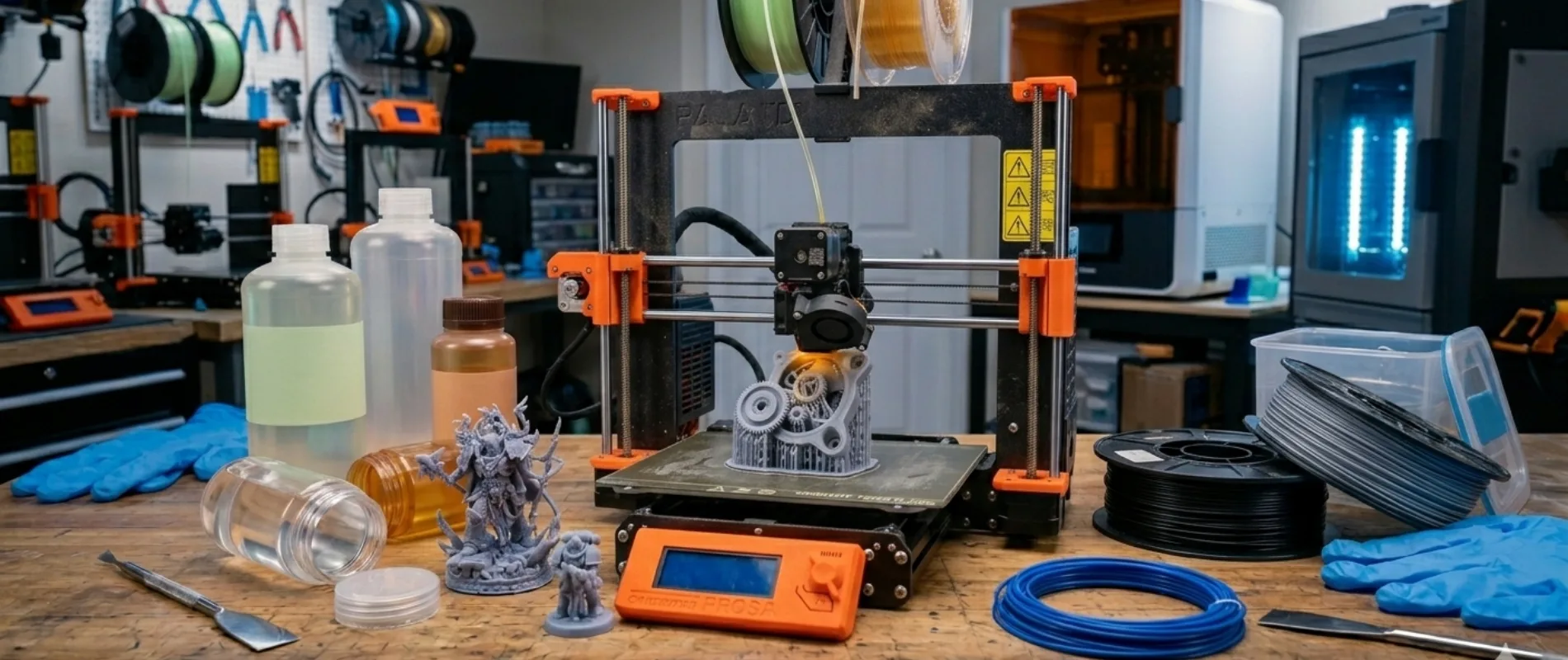
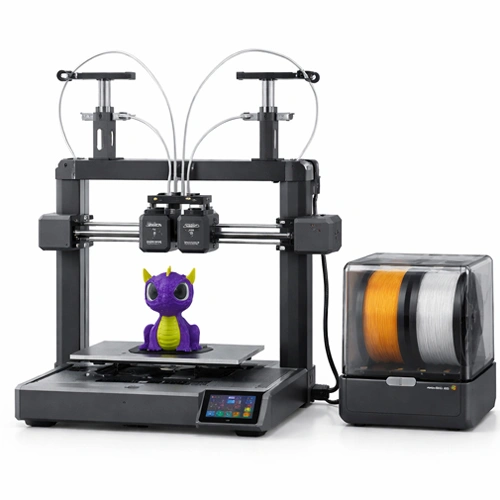
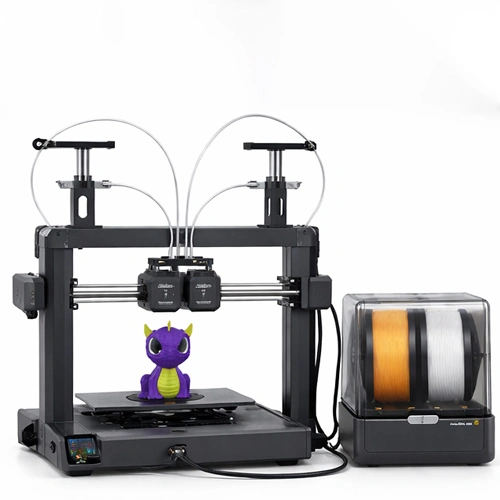
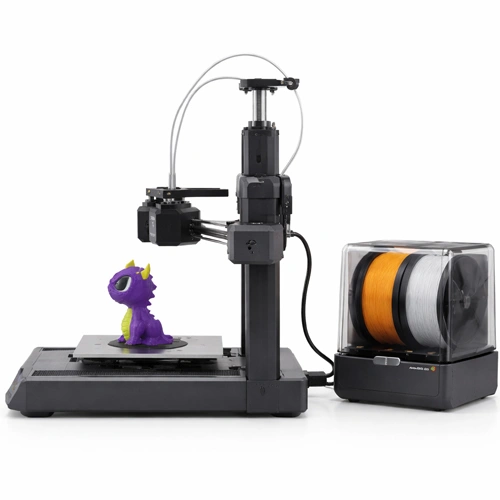
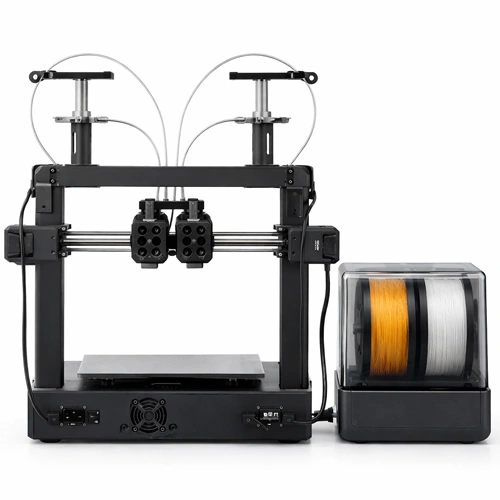
3D printers are developed to transform digital models into physical objects with controlled accuracy. They operate through layer-by-layer deposition, enabling consistent and detailed print output.
Layer Accuracy
Precise object formation
Stable Operation
Controlled printing process
Consistent Output
Uniform print results
- • 3D printers are designed to convert digital designs into physical models through a structured printing process. They build objects layer by layer, allowing accurate reproduction of shapes and dimensions.
- • The system maintains controlled movement and material deposition, ensuring stability throughout the print cycle. This helps achieve consistent results across different types of designs and applications.
- • Its precision capability makes it suitable for prototyping, product development, and custom manufacturing. It allows users to create detailed models with minimal variation.
- • With its ability to produce reliable and repeatable outputs, a 3D printer supports both creative and functional applications. It provides flexibility across design, production, and learning environments.
Key Highlights

Precision Layer Control
Ensures accurate layer placement for detailed and consistent prints.

Stable Print Operation
Maintains controlled motion for reliable printing performance.
Wide Material Support
Compatible with multiple filament types for flexible usage.

Versatile Application Use
Supports a range of use cases from models to functional parts.
| Printing Technology | Layer-based 3D printing process |
| Material Compatibility | PLA, PETG, ABS, and specialty filaments |
| Printing Method | Layer-by-layer material deposition |
| Build Surface | Flat print bed with optional heating |
| Print Characteristics | Controlled extrusion with stable movement system |
| Output Quality | Produces detailed and dimensionally accurate prints |
| Usage Type | Suitable for prototyping, design, education, and production use |